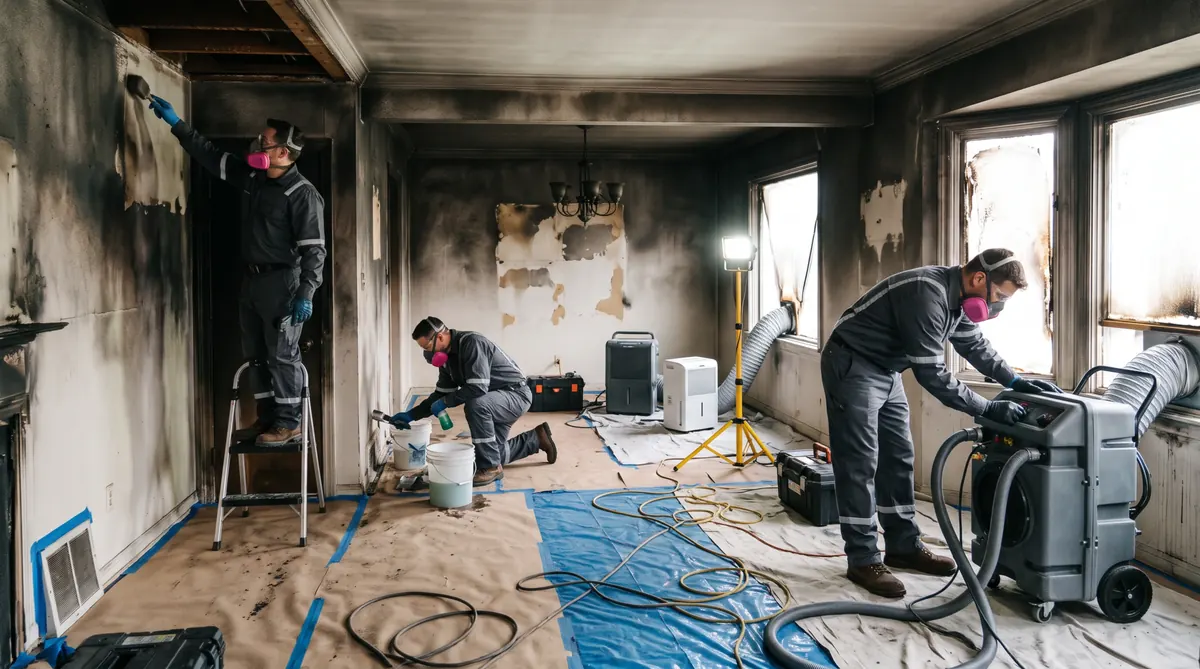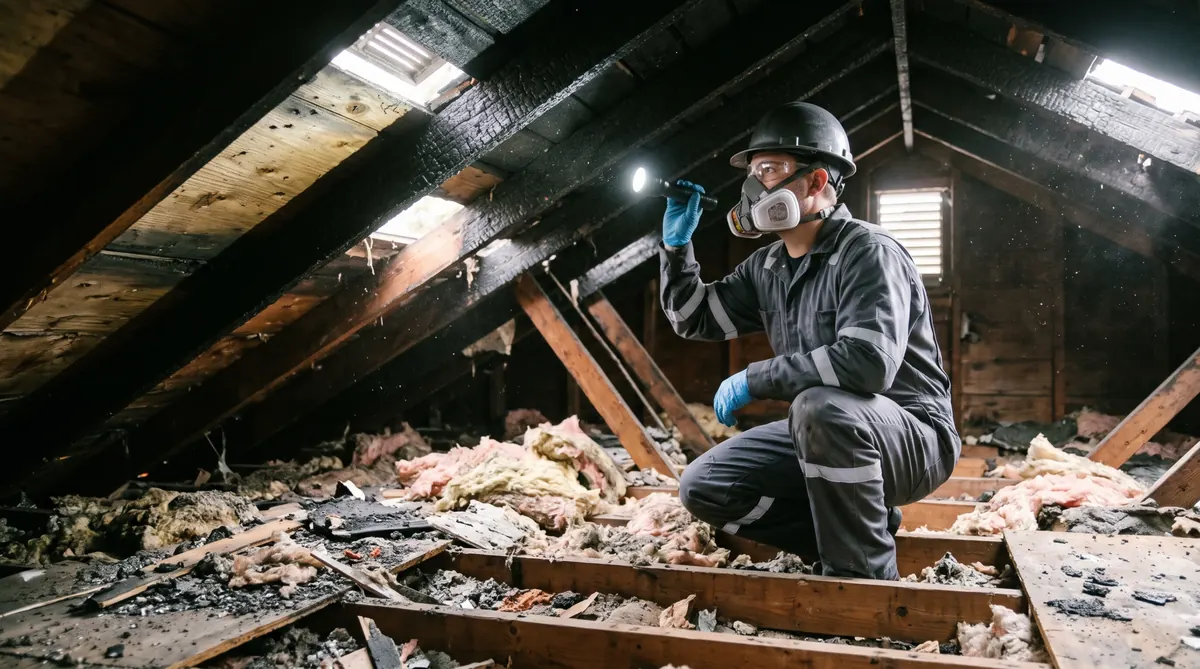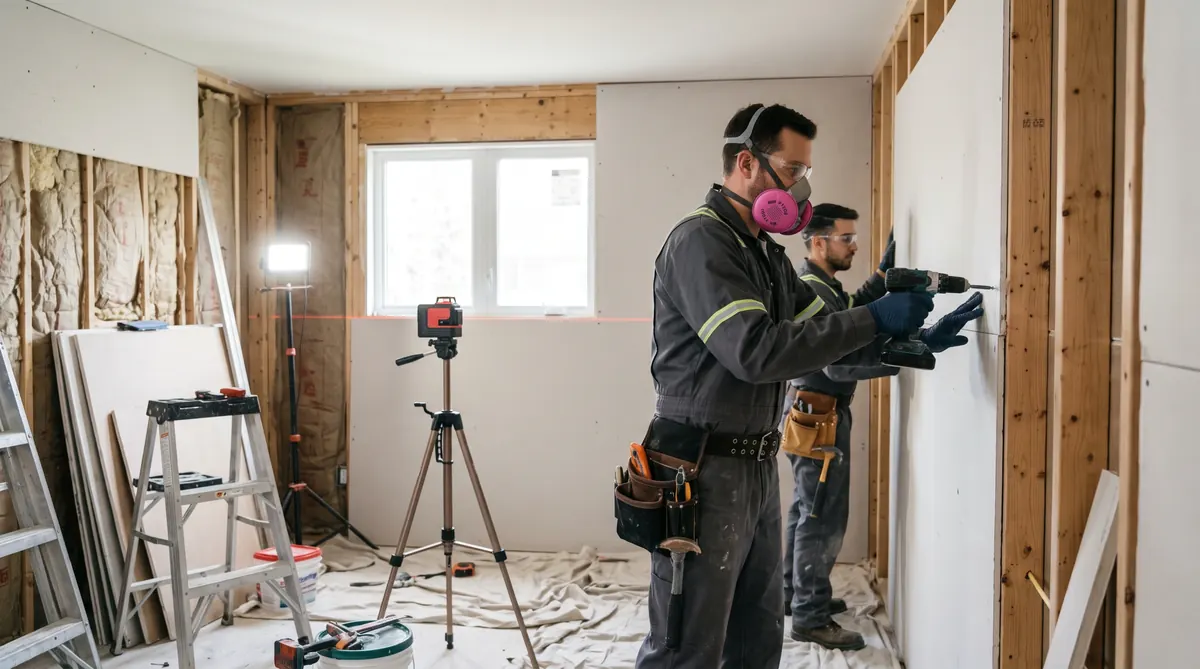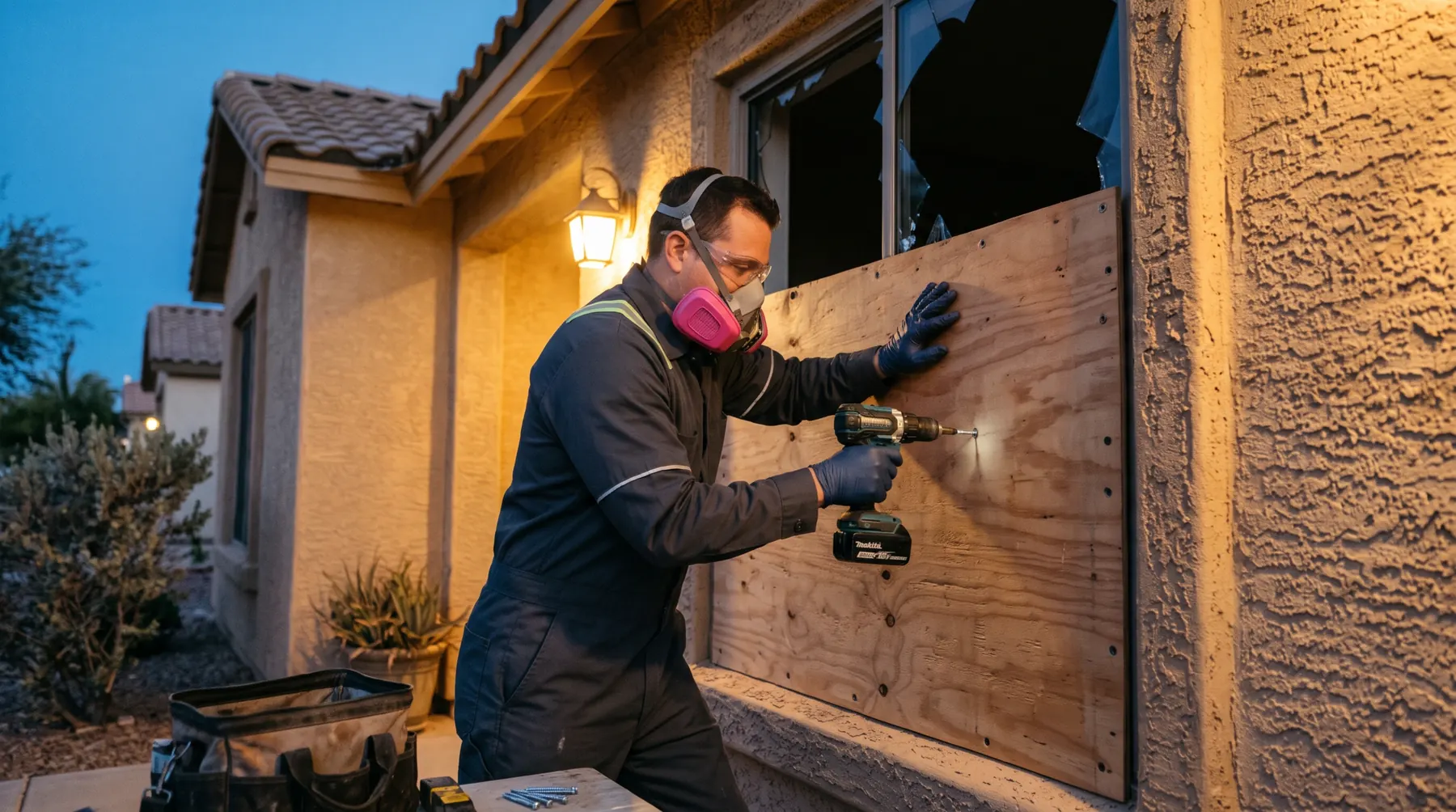
After a fire, openings are a risk: windows are broken, doors are compromised and roofs can be open to the sky. Weather, animals and theft can add to the loss.
Emergency board-up and tarping closes those openings quickly. Most insurers expect you to take reasonable steps to prevent further damage, and the cost may be part of the claim.
When you need professional help
- Windows or doors were broken during the fire or response
- The roof has open sections
- The property will sit empty overnight
- Monsoon or wind is in the forecast
- The insurer asked you to secure the property
How the emergency board-up process works
Safety check
Confirm entry is allowed and hazards are marked.
Measure and cut
Size panels for each opening.
Secure
Fasten boards and use sheeting where needed.
Tarp the roof
Anchor tarps properly so wind does not lift them.
Document
Take photos for your claim file.
Safety considerations
- Don't climb on a fire-damaged roof; it can collapse
- Check that wood is fastened to solid framing
- Keep a record of the date and materials used
Common questions
How fast can board-up happen?
Providers prioritize emergency board-up, and many aim to arrive within hours, subject to availability.
Is board-up covered by insurance?
Often as part of preventing further damage, but check your policy and keep receipts.
Information on this page is general. A licensed provider must inspect your property to recommend specific work. We are a referral service and do not perform the work ourselves.