Smoke odor lingers because the particles that carry it settle into porous materials such as drywall, insulation, wood and fabric. Air fresheners only cover it up, and the smell often returns on a hot day.
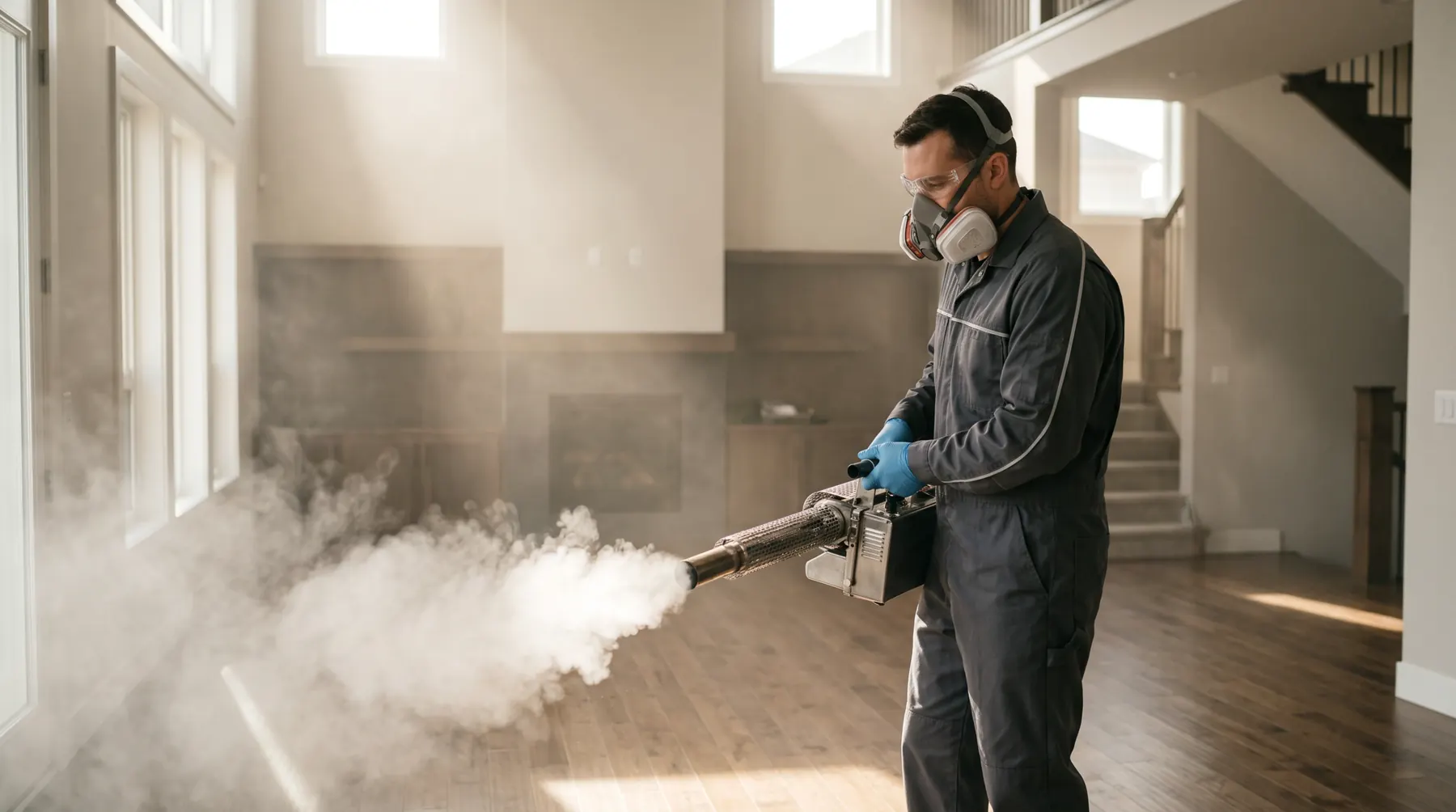
Effective deodorization removes the source first, then treats what is left. Providers in our network use a combination of cleaning, sealing, thermal fogging and hydroxyl or other air treatment, chosen for the space.
When you need professional help
- Smoke odor remains after cleaning and airing out
- The smell gets stronger when the air conditioner runs or temperatures climb
- Odor lingers in closets, upholstery, carpets or insulation
- A neighboring unit fire left a smell in your space
- You plan to sell, rent or reoccupy the property
How the fire odor removal process works
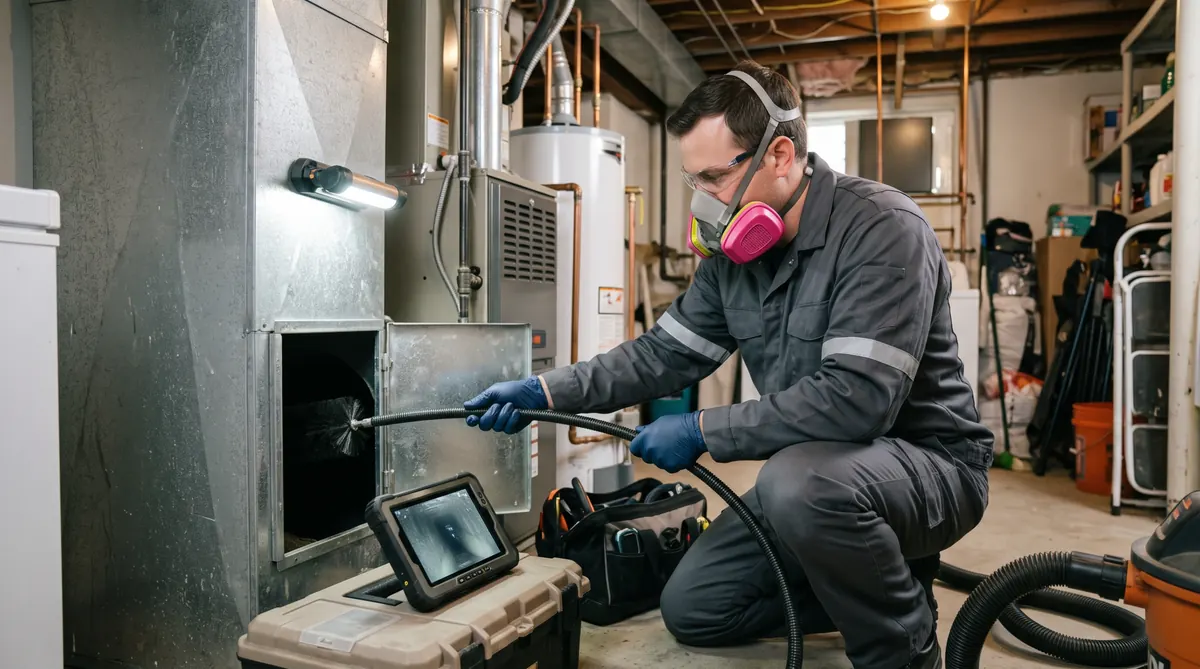
Find the source
Locate where smoke residue and char remain, including hidden cavities.
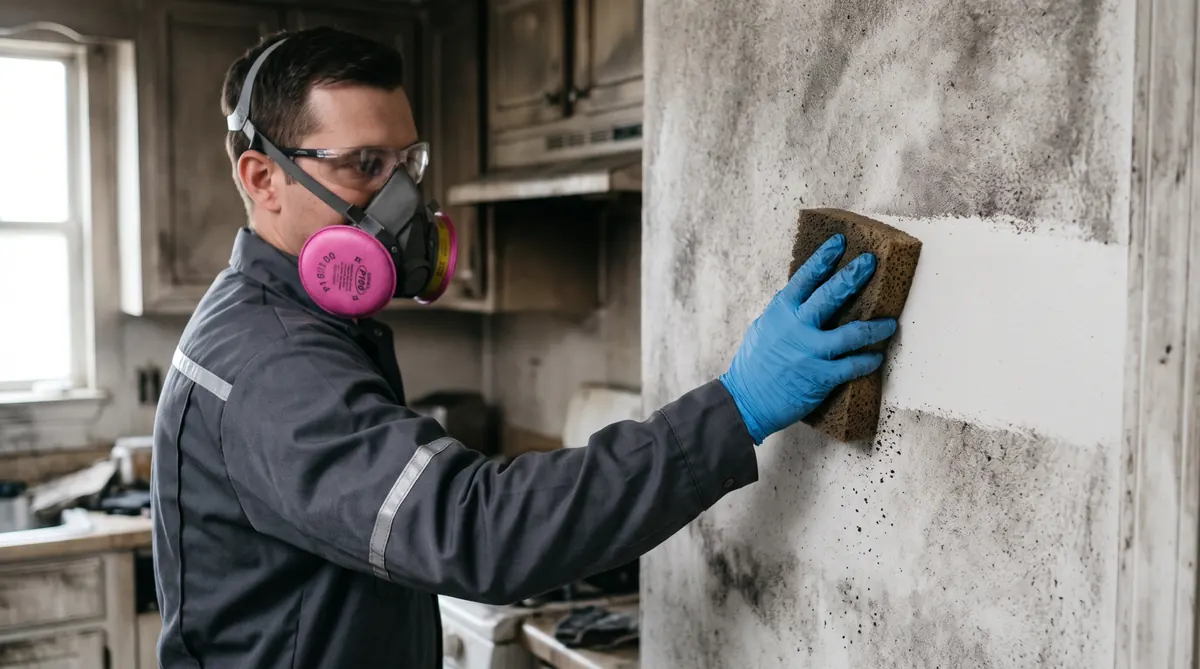
Remove and clean
Take out unsalvageable materials and clean surfaces.
Seal where needed
Apply sealant to surfaces that cannot be fully cleaned.
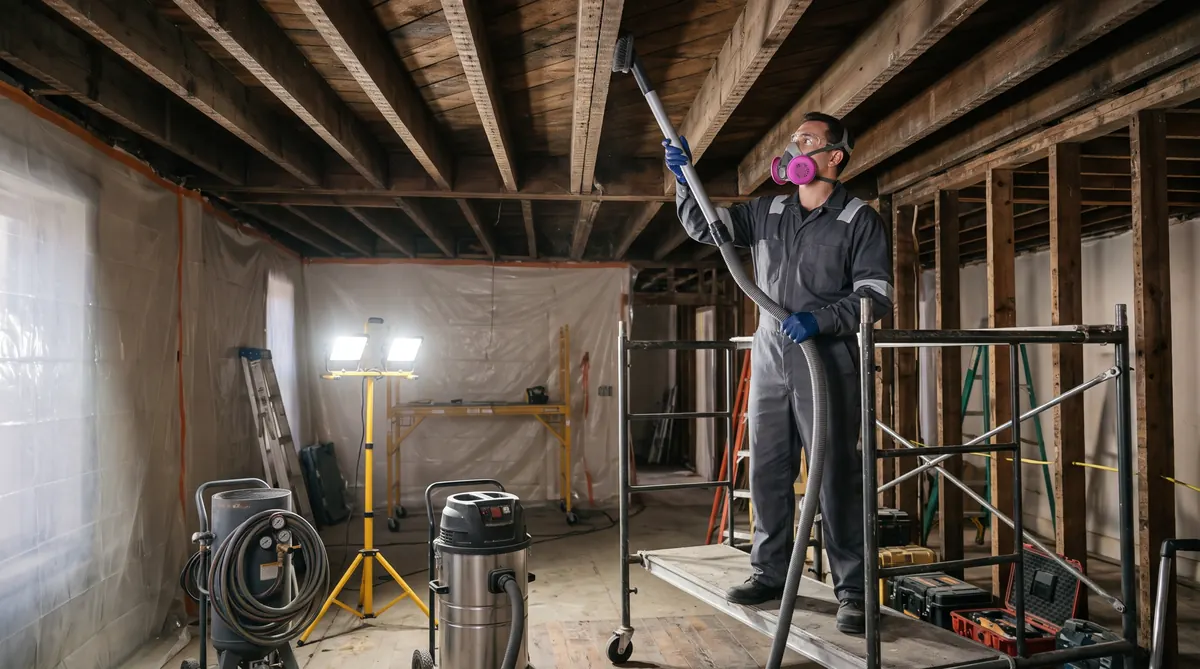
Treat the air and structure
Thermal fogging, hydroxyl generators or other equipment reach areas cleaning cannot.
Verify
Re-check after treatment, with a re-treatment plan if odor remains.
Safety considerations
- Ozone machines must only be run in unoccupied spaces, and people, pets and plants should stay out until a provider says it is safe
- Ventilate as directed after any chemical or fog treatment
- Ask your provider which products are used, and keep the product list for your records
Common questions
How long does odor removal take?
Mild cases can take a day or two. Heavier smoke exposure may take multiple treatments across several days.
Will the smell come back?
If the source was removed or sealed, it should not. A returning smell usually means smoke residue is still in a hidden area.
Information on this page is general. A licensed provider must inspect your property to recommend specific work. We are a referral service and do not perform the work ourselves.