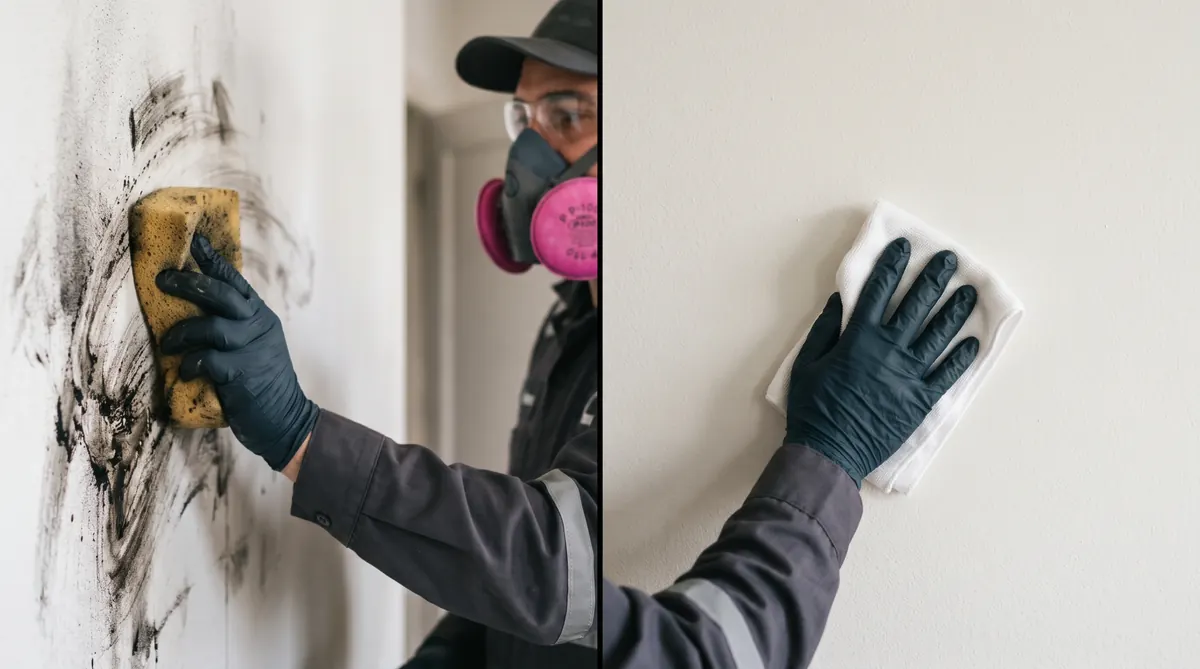
Start with the source
No machine removes odor if charred or smoke-coated material is still in the building. Providers remove and clean first, then treat what remains.
Thermal fogging
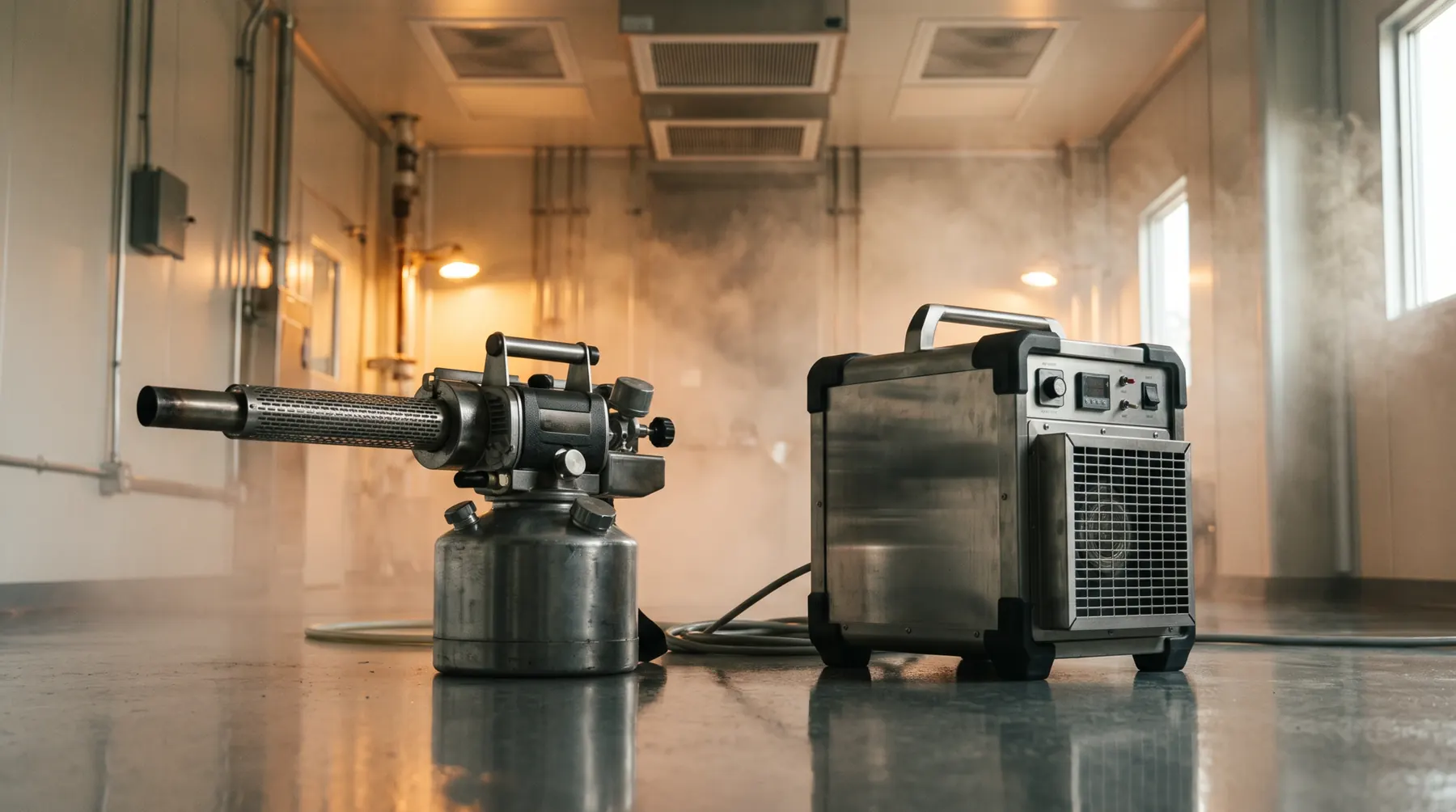
A thermal fogger heats a deodorizing solution into a fog that travels the same paths as smoke, reaching cracks and cavities where particles settled. It is typically run in an unoccupied building with ventilation afterward.
Hydroxyl generators
Hydroxyl generators produce hydroxyl radicals that react with odor molecules and can often be run while the space is being worked on, though occupant guidance varies by product.
What about ozone
Ozone treatment can neutralize odor but is harmful to breathe and can damage rubber and some materials. It should only be used in unoccupied spaces with clear re-entry times.
Choosing a method
The best approach depends on the severity, materials and whether people live in the building. Ask your provider why they chose their method.
Need help now?
Learn about our fire odor removal and deodorization service, or speak with a provider.
This article is general information and not professional, legal or insurance advice. We are a referral service and do not perform restoration work.