Not all soot is the same
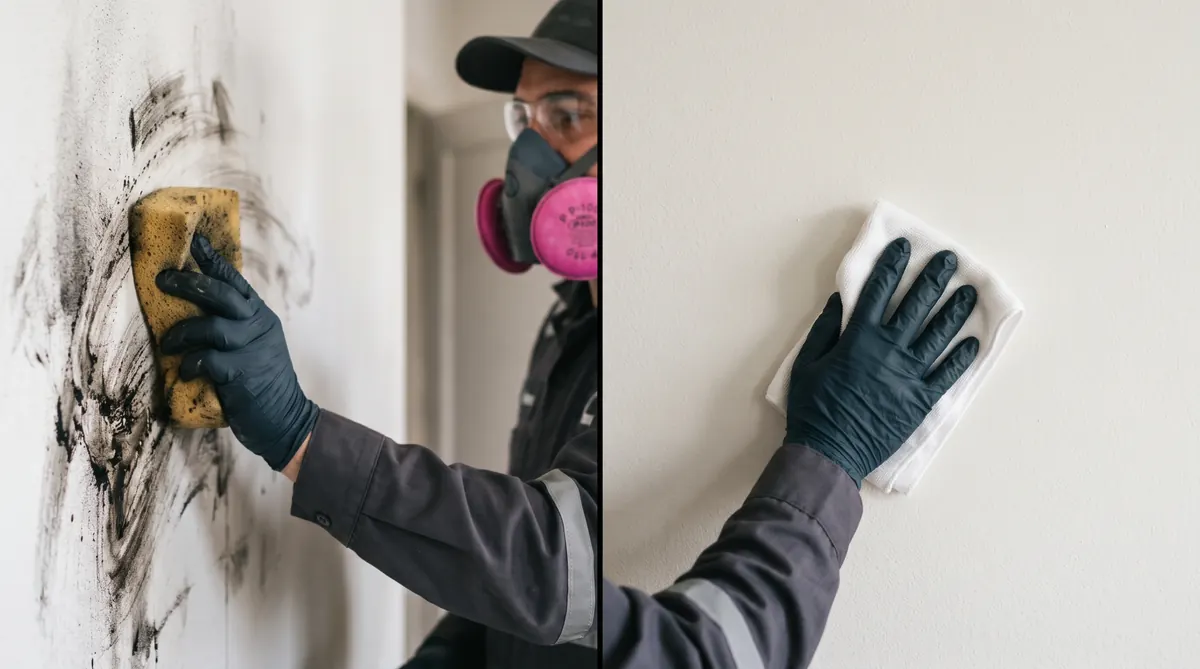
Burning paper and wood leaves dry, powdery soot. Burning plastics, oils or synthetic materials leaves sticky, smeary residue. Each type needs a different approach.
How DIY goes wrong
Water or all-purpose cleaner on dry soot can spread it into a gray film that sinks into paint and drywall. Rubbing pushes particles deeper into pores. A shop vacuum without a HEPA filter can blow fine particles back into the air.
Smoke travels farther than you think
Smoke follows air currents through wall cavities, vents and attic spaces. Rooms that look clean may still hold residue that releases odor when the AC runs.
What professionals do differently
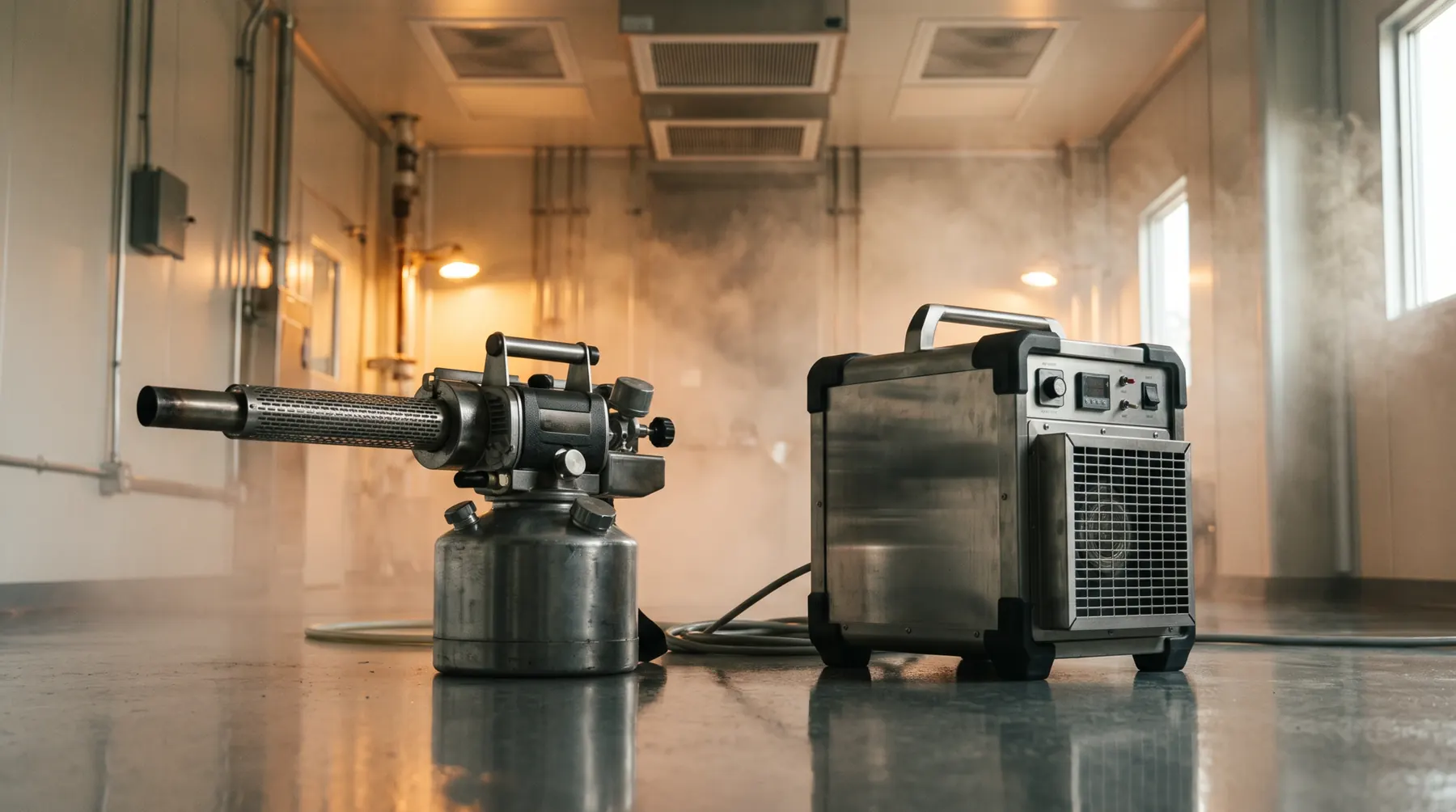
They test cleaning methods first, use HEPA vacuums and dry chemical sponges before wet cleaning, and control airflow so residue does not move to clean rooms.
When DIY is reasonable
A small, contained spot of residue on a hard surface can sometimes be handled with protection. For anything larger, or any smoke-affected HVAC or porous materials, call a professional.
Need help now?
Learn about our smoke and soot cleanup service, or speak with a provider.
This article is general information and not professional, legal or insurance advice. We are a referral service and do not perform restoration work.