Safety first
Do not re-enter until the fire department says the building is safe. Weakened floors, hidden hot spots and compromised wiring can cause injury hours after the flames are out. If you need to retrieve medications or documents, ask the fire officer to escort you.
Account for everyone and get help
Make sure every person and pet is accounted for. If you are displaced, the Red Cross and local agencies can help with short-term shelter. Let family know where you are staying.
Call your insurance company
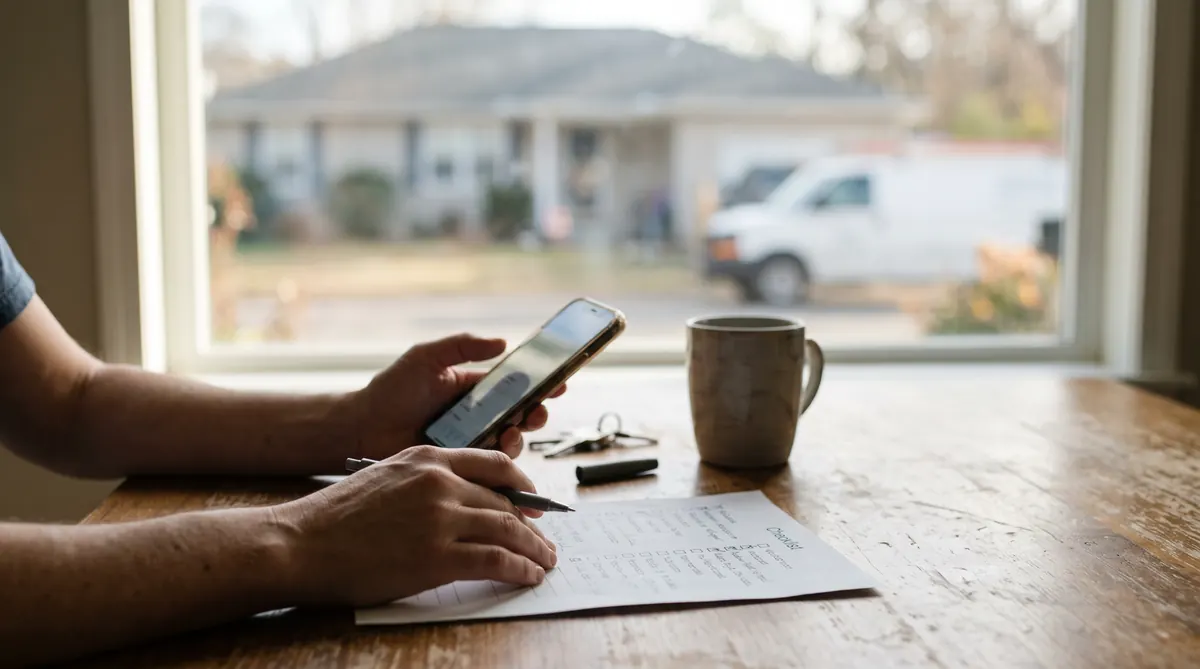
Report the loss as soon as you can and ask about temporary housing coverage. Ask what they need from you and keep notes of every call with names, dates and claim numbers.
Protect the property
Ask the fire department to help secure utilities. Then arrange board-up for broken windows and doors and a tarp for roof openings. Insurers typically expect reasonable steps to prevent further damage.
Document before anything moves
Take photos and video of every room before cleaning or removing items. Make a list of damaged belongings with approximate values. Keep receipts for emergency purchases.
Avoid common mistakes
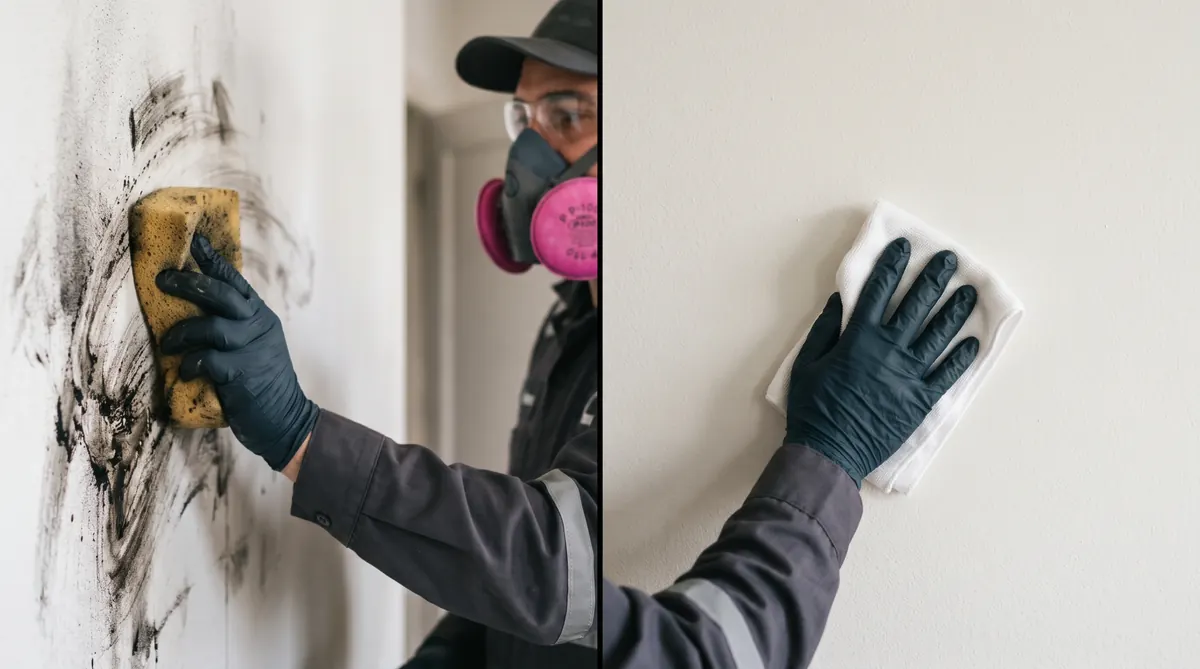
Don't turn on electronics, eat food that was exposed to heat or smoke, or scrub soot-covered walls. A restoration provider can advise what is safe to do yourself.
Need help now?
Learn about our fire damage restoration service, or speak with a provider.
This article is general information and not professional, legal or insurance advice. We are a referral service and do not perform restoration work.